
Laparoscopic surgery is also called keyhole surgery.
It uses small cuts, a camera, and special instruments to treat different medical conditions. It may also help reduce scarring and recovery time.
The UK has many experienced laparoscopic surgeons. They specialise in areas such as gynaecology, endometriosis, and general surgery. The right surgeon depends on your condition and treatment needs.
This guide covers 10 laparoscopic surgeons in the UK. It highlights their locations and areas of expertise to help you explore your options.
How We Selected the Top Laparoscopy Surgeons in the UK
We used publicly available information to identify laparoscopic surgeons with relevant training, experience, and specialist expertise.
We also considered their treatment areas and practice locations.
Our selection was based on four key factors:
- Experience: Background in laparoscopic surgery.
- Specialisation: Expertise in treating specific conditions.
- Qualifications: Relevant training and professional credentials.
- Location: NHS and private practice options.
This list is a starting point for your research, not a definitive ranking. Always check each surgeon’s current credentials and experience before making a decision.
List of 10 Best Laparoscopy Surgeons in the UK
Here are 10 laparoscopic surgeons in the UK, along with their locations.
- Mr Saikat Banerjee – Cambridge
- Dr Kingshuk Majumder – Manchester
- Ms Suruchi Pandey – London
- Dr Sujata Gupta – Manchester
- Mr Fevzi Shakir – London
- Mr Mohamed Mabrouk – London
- Mr Shaheen Khazali – London
- Mr Ahmed Raafat – Berkshire
- Mr Tas Qureshi – Dorset
- Mr Marco Adamo – London
See the profiles below for each surgeon’s areas of expertise.
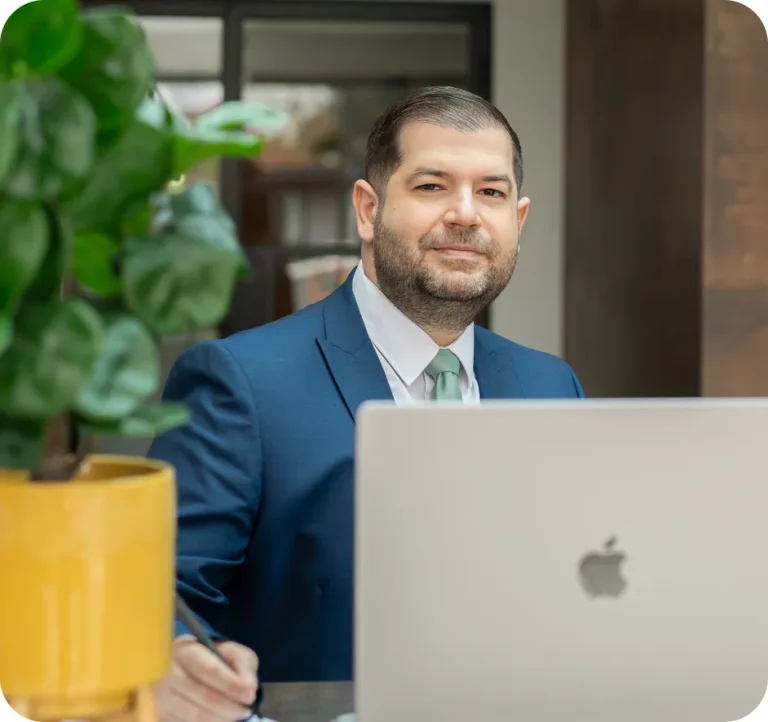
1. Professor Bassel H. Al Wattar – London
Professor Bassel H. Al Wattar is one of the leading laparoscopic surgeons in the UK, known for his expertise in gynaecology, reproductive medicine, and minimally invasive surgery.
He is a Chair Professor of Reproductive Medicine and Surgery at Anglia Ruskin University, combining clinical experience with academic research to improve women’s healthcare.
His key areas of expertise include:
- Laparoscopic fibroid surgery
- Endometriosis treatment
- Ovarian cyst removal
- Reproductive and fertility-related surgery
- Hysteroscopic procedures
Professor Al Wattar’s clinical and research background makes him a notable choice for women seeking specialist gynaecological care.
Patients can consult him to discuss suitable treatment options, potential risks, and recovery expectations.
2. Dr Kingshuk Majumder – Manchester
Dr Kingshuk Majumder is a name to research when exploring specialist surgical care in Manchester.
Patients considering laparoscopic surgery should verify his current specialty, professional qualifications, and experience with the procedure they need.
When evaluating his suitability, focus on these important factors:
- Relevant expertise: Confirm his experience treating your specific condition and performing the recommended procedure.
- Treatment approach: Discuss whether laparoscopic surgery, medication, or another treatment option is most appropriate.
- Surgical risks: Understand the potential complications, expected benefits, and recovery time.
- Aftercare support: Ask about follow-up appointments and post-operative care.
Before booking a consultation, check his current hospital profile and professional registration to ensure his expertise aligns with your treatment needs.
3. Ms Suruchi Pandey – London
Ms Suruchi Pandey is a clinician to research when exploring specialist women’s healthcare in London.
Patients considering laparoscopic gynaecological surgery should confirm her current clinical role, qualifications, and experience with the procedure they need.
Before making a treatment decision, it is helpful to understand the following key points:
- Diagnosis and assessment: Review your symptoms and test results to identify the underlying condition.
- Surgical options: Discuss whether keyhole surgery is appropriate and what alternatives are available.
- Risks and recovery: Understand possible complications, recovery time, and expected outcomes.
- Ongoing care: Confirm the arrangements for follow-up appointments and recovery support.
Checking her current hospital profile and professional registration can help you determine whether her expertise is suitable for your healthcare needs.
4. Dr Sujata Gupta – Manchester
Dr Sujata Gupta is a clinician to research when exploring specialist healthcare services in Manchester.
Patients considering laparoscopic surgery should confirm her current specialty, qualifications, and experience with the procedure they require.
Several factors can help you assess whether her services meet your needs:
- Clinical expertise: Check her experience with your specific diagnosis and recommended treatment.
- Diagnostic services: Ask whether specialist tests or further investigations may be needed before surgery.
- Treatment planning: Discuss the benefits of keyhole surgery and any suitable alternatives.
- Follow-up care: Find out how recovery is monitored and what support is available after the procedure.
These considerations are particularly important for patients with complex pelvic conditions or reproductive health concerns.
5. Mr Fevzi Shakir – London
Mr Fevzi Shakir is a name to consider when researching specialist gynaecological care in London.
Patients interested in keyhole surgery should review his current professional profile and confirm his experience treating their particular condition.
When exploring treatment options for endometriosis, pelvic pain, or other gynaecological concerns, consider these important points:
- Condition-specific experience: Ask about his experience managing cases similar to yours.
- Surgical approach: Find out whether laparoscopic surgery is suitable for your diagnosis.
- Expected outcomes: Discuss the potential benefits, limitations, and risks of treatment.
- Recovery planning: Understand how long recovery may take and what follow-up support is provided.
Checking these details can help you make a more informed decision about your treatment.
6. Mr Mohamed Mabrouk – London
Mr Mohamed Mabrouk is another clinician to research when comparing specialist surgical services in London.
Before arranging a consultation, confirm his current clinical appointments, areas of expertise, and experience with the laparoscopic procedure you are considering.
For patients with complex gynaecological conditions, the following factors can be especially important:
- Fertility considerations: Discuss how treatment may affect future pregnancy plans, where relevant.
- Surgical complexity: Ask about the surgeon’s experience with your specific condition and its severity.
- Additional specialist support: Find out whether your treatment may require input from other medical specialists.
- Further treatment: Discuss the possibility of additional procedures and the recommended follow-up plan.
A clear discussion of these factors can help you understand your options and decide whether the proposed treatment suits your medical needs.
7. Mr Shaheen Khazali – London
Mr Shaheen Khazali is a clinician to research when exploring specialist gynaecological care in London.
Patients considering laparoscopic surgery should confirm his current specialist interests, qualifications, and experience with the procedure they need.
When assessing whether a treatment plan is right for you, consider these important factors:
- Surgical suitability: Ask whether laparoscopic surgery is appropriate for your condition.
- Potential benefits: Discuss how the procedure may improve your symptoms and what results you can realistically expect.
- Possible complications: Understand the risks and limitations associated with the recommended treatment.
- Alternative options: Find out what other treatments may be available if surgery is unsuitable or does not fully resolve your symptoms.
A thorough consultation can help you understand the available options and make an informed treatment decision.
8. Mr Ahmed Raafat – Berkshire
Mr Ahmed Raafat is a clinician to research when exploring specialist surgical care in Berkshire.
Before booking an appointment, confirm his current clinical location, professional credentials, and experience with the laparoscopic procedure you require.
Alongside his clinical expertise, it is worth considering the practical aspects of treatment:
- Hospital facilities: Confirm where the procedure is performed and what surgical facilities are available.
- Minimally invasive experience: Ask about his experience with your specific condition and the recommended operation.
- Post-operative support: Find out how follow-up appointments and recovery care are arranged.
- Travel and accessibility: Consider the distance to the hospital and whether returning for follow-up visits will be convenient.
Reviewing these details can help you compare treatment options and choose care that meets your medical and practical needs.
9. Mr Tas Qureshi – Dorset
Mr Tas Qureshi is a clinician to research when comparing specialist healthcare options in Dorset.
Patients considering laparoscopic surgery should verify his current specialty, qualifications, and experience treating their specific condition.
Before deciding on a procedure, consider these important aspects of treatment:
- Non-surgical alternatives: Ask whether medication or other treatments could help manage your condition.
- Recovery time: Discuss how long you may need to take off work or reduce your usual activities.
- Daily restrictions: Find out when you can safely resume driving, exercise, and other routine tasks.
- Follow-up appointments: Confirm how your recovery will be monitored and when you should seek further medical advice.
Understanding these practical details can help you prepare for treatment and plan your recovery more effectively.
10. Mr Marco Adamo – London
Mr Marco Adamo completes this list of clinicians for patients researching specialist surgical care in London.
Before arranging a consultation, verify his current qualifications, clinical interests, and experience with the laparoscopic procedure you need through official professional sources.
When comparing your options, focus on the following factors:
- Procedure-specific experience: Ask how frequently he performs the recommended operation and whether he regularly treats similar cases.
- Surgical outcomes and risks: Discuss the expected benefits, potential complications, and limitations of treatment.
- Aftercare arrangements: Find out what support is available after discharge and how post-operative concerns are managed.
- Second opinions: If you have a complex diagnosis or are unsure about the proposed treatment, consider seeking another specialist’s opinion.
Taking time to review these factors can help you understand your options and choose a treatment approach that aligns with your medical needs.
Comparison of These Laparoscopic Surgeons
The following table summarises the locations supplied for the 10 clinicians. Location alone does not establish surgical expertise, and individual procedure availability should be checked directly.
| Surgeon | Location | Specialty Focus | Key Factor |
|---|---|---|---|
| Professor Bassel H. Al Wattar | London | Gynaecology | Procedure experience |
| Dr Kingshuk Majumder | Manchester | Surgical care | Qualifications |
| Ms Suruchi Pandey | London | Women’s health | Available procedures |
| Dr Sujata Gupta | Manchester | Specialist care | Clinical experience |
| Mr Fevzi Shakir | London | Gynaecology | Condition-specific expertise |
| Mr Mohamed Mabrouk | London | Surgical care | Treatment complexity |
| Mr Shaheen Khazali | London | Gynaecology | Treatment options |
| Mr Ahmed Raafat | Berkshire | Surgical care | Hospital facilities |
| Mr Tas Qureshi | Dorset | Specialist care | Recovery support |
| Mr Marco Adamo | London | Surgical care | Surgical experience |
Conditions Treated by Laparoscopic Surgeons
Laparoscopic surgery can be used to investigate or treat several conditions. The appropriate procedure depends on your diagnosis, symptoms, and overall health.
Common conditions and procedures include:
- Endometriosis: Removing or treating endometrial-like tissue growing outside the uterus.
- Uterine fibroids: Removing fibroids that cause pain, heavy periods, or fertility problems.
- Ovarian cysts: Removing certain cysts when surgery is medically appropriate.
- Pelvic pain: Investigating possible causes when other tests have not provided clear answers.
- Ectopic pregnancy: Treating a pregnancy developing outside the uterus.
- Fallopian tube problems: Treating selected conditions affecting the tubes and fertility.
- Hernias and gallstones: Repairing hernias or removing the gallbladder when indicated.
Laparoscopic surgery is also used for procedures involving the bowel, kidneys, and other abdominal organs.
How to Choose the Right Laparoscopy Surgeon
Choosing the right surgeon depends on your condition, the procedure you need, and the surgeon’s experience. Consider these key factors before booking:
- Check qualifications: Verify the surgeon’s registration through the General Medical Council.
- Ask about experience: Find out how often they perform your required procedure.
- Check hospital facilities: Make sure suitable surgical and emergency care is available.
- Understand the risks: Discuss benefits, possible complications, and alternative treatments.
- Review aftercare: Ask about recovery support and follow-up appointments.
- Compare costs: For private surgery, request a full price breakdown.
If you are unsure about your treatment, consider getting a second opinion.
NHS vs. Private Laparoscopic Surgery in the UK
Patients can access laparoscopic surgery through the NHS or private healthcare, depending on clinical need, availability, and eligibility.
| Feature | NHS Surgery | Private Surgery |
|---|---|---|
| Cost | Usually free if eligible | Self-pay or insurance |
| Referral | Usually GP referral | Varies by provider |
| Waiting Time | Depends on NHS demand | May be shorter |
| Surgeon Choice | Depends on local services | Often more choice |
| Hospital | NHS hospitals | Private hospitals |
| Follow-up | Through NHS services | Depends on package |
Neither option guarantees a better outcome. The right choice depends on your medical needs, access to specialist expertise, and financial circumstances.
Cost of Laparoscopic Surgery in the UK
Private laparoscopic surgery in the UK typically costs around £3,000–£6,000, depending on the procedure, hospital, and surgeon. Complex operations may cost more.
Before booking, ask for a full quote that includes the surgeon’s fee, hospital charges, anaesthesia, tests, and follow-up care.
NHS treatment: Eligible patients usually receive NHS surgery free at the point of use.
Final Thoughts
Choosing the right laparoscopic surgeon in the UK starts with understanding your condition and finding a specialist with relevant experience. Use this list as a starting point and verify each surgeon’s qualifications and services before booking.
Compare surgeons based on their experience, hospital facilities, communication, and aftercare. Consider these factors alongside your treatment needs and budget.
Whether you choose NHS or private surgery, discuss the benefits, risks, alternatives, and recovery time with your surgeon to make an informed decision.